What to Expect with Hand Pain Treatment from a Physical Therapist
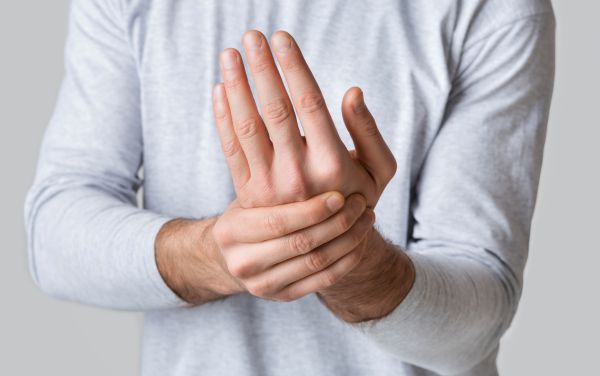
Hand pain treatment can help patients regain comfort and use their hands with more ease during everyday activities. When the hands hurt, simple tasks can become frustrating. Typing, cooking, driving, lifting, gripping, and even buttoning a shirt may start to feel harder than they should. A physical therapist can evaluate what is limiting movement and create a plan that helps the hand function more comfortably.
What causes hand pain?
Hand pain can develop suddenly after an injury or gradually over time. Common causes include falls, sprains, fractures, or tendon strains. Even surgery can result in hand stiffness and weakness. Other people report hand pain that develops slowly over time, such as from repetitive use, arthritis, nerve irritation, or tendon inflammation. It is important to keep in mind that treatment for joint stiffness will not always look the same as treatment for nerve symptoms or tendon irritation.
What to expect during hand pain treatment
A physical therapist (PT) looks at how the hand moves and how symptoms affect daily life to identify the source of the pain, if unknown, and the best path forward. The PT will also assess the wrist, forearm, and elbow, as these areas can affect hand function. Then, they will develop a treatment plan that may include:
Manual therapy, splinting, and pain relief strategies
Physical therapy often includes hands-on treatment. A PT may use soft-tissue techniques, joint mobilization, or scar management to improve comfort and mobility. Some patients benefit from heat before exercise or cold after activity. These tools can make therapy more comfortable and help prepare the hand for better movement.
Wearing a splint or brace may also be recommended at first. These devices protect healing tissue, reduce strain, or help position the hand more comfortably during rest or activity.
Guided exercise
Guided exercises help strengthen the hand so it can perform daily tasks with ease. A PT always chooses exercises based on what the hand can safely tolerate. A patient recovering from surgery may need extremely careful movement at first. Within the same vein, someone with overuse pain may need to build endurance and learn how to avoid irritating the same tissues again. This gradual approach helps patients make progress without pushing the hand too hard too soon.
Habit changes
Hand pain is often connected to daily habits. A PT can help patients notice movements that place extra stress on the hand. Repeated gripping, awkward wrist positions, or long periods at a keyboard without breaks are common examples. Small changes, such as avoiding non-ergonomic wrist positions, can reduce irritation and make tasks easier.
Tailoring hand pain treatment to reach a patient’s unique goals
The main goal of hand pain treatment is to help patients use their hands with less discomfort and more control. Still, the PT will ask about any specific goals the patient may have during the first appointment. Common goals include:
- Restoring finger, thumb, wrist, or grip movement for sports or hobbies
- Rebuilding strength for daily tasks, such as opening jars and writing
- Learning safer ways to use the hand to avoid reinjury
These goals help make treatment meaningful for the patient as an individual. Progress is not only about measurements in the clinic. It is about helping patients return to the activities that matter most to them.
Schedule a consultation
Hand pain can get in the way of daily tasks, work, and hobbies. Thankfully, a physical therapist can help restore pain and mobility with tailored hand pain treatment. Contact Delta Orthopedics for an appointment.
Request an appointment here: https://deltapainfree.com or call Delta Orthopedics at (678) 439-5216 for an appointment in our Austell office.
Check out what others are saying about our services on Yelp: Read our Yelp reviews.
Related Posts
Wrist pain treatment may help when everyday tasks start feeling harder because of soreness, stiffness, weakness, or tingling. The wrist does a lot more work than most people realize. It helps with typing, lifting, cooking, driving, exercising, opening jars, and even simple movements like pushing up from a chair. When pain keeps showing up during…
Chronic neck and back pain can disrupt your daily routine and overall quality of life. Fortunately, interventional spine treatments offer a direct, practical approach to restoring your mobility and comfort. These targeted clinical options provide relief from discomfort and immobility. Our team is here to help you regain control over your physical health and return…
PRP injections offer a natural way to jump-start the body's repair process by using a person's own blood to help heal stubborn injuries and quiet persistent pain. This approach feels like giving the body a high-octane boost exactly where it needs it most. Instead of just masking a problem, the goal is actually to mend…
Orthopedics often includes physical therapy after a joint injury since healing involves more than simply waiting for pain to improve. Whether the injury affects the shoulder, knee, hip, ankle, or another joint, the body usually needs guided movement and strengthening to restore function. Physical therapy helps support that process by improving mobility, stability, and confidence…